In this thorough and well-researched article, I talk about how luxury brands like Louis Vuitton, Hermès, and Rolex dominate their industries through strategy rather than scale.
While being one of the most globally desirable sectors, the luxury industry has experienced exceptional value creation between 2019 and 2023. The sector achieved new profitable records of a 5% compound annual growth rate.
Luxury is one of the few sectors where higher prices can stimulate demand instead of suppressing it. Conventional business strategy assumes that firms grow by expanding distribution, reducing costs, and competing aggressively for market share.
The world’s most valuable luxury brands follow a markedly different logic. Rather than maximizing accessibility, they deliberately constrain it. Instead of pursuing volume, they cultivate desirability.
Their objective is not to sell to everyone who can afford their products, but to remain among the few brands that people aspire to own. This distinction explains why companies such as Louis Vuitton, Hermès, and Rolex have sustained extraordinary pricing power and profitability across economic cycles.
While many businesses compete on product features or operational efficiency, these luxury brands compete by shaping perception, signaling status, and managing scarcity. Their market power arises less from what they manufacture than from the meanings attached to what they represent.
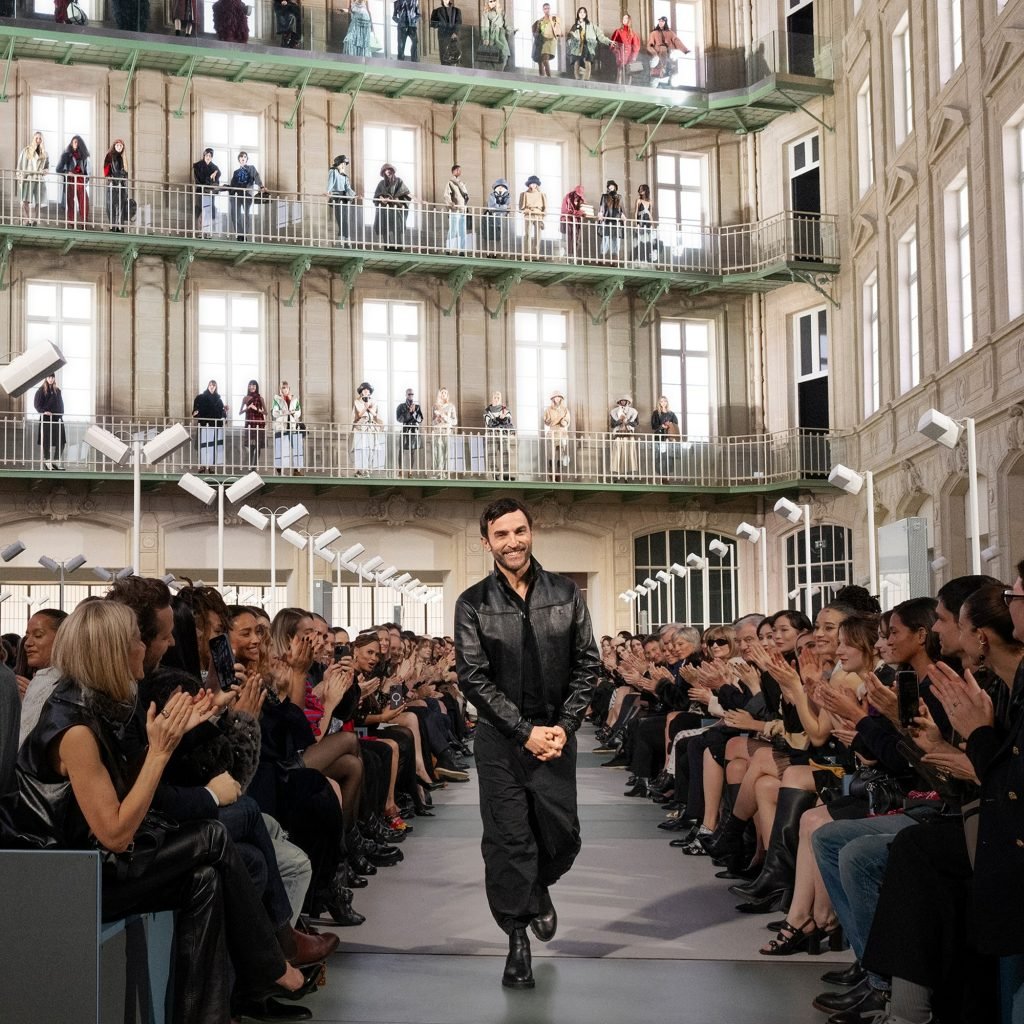
This article examines the strategic foundations of that market power. Drawing on the histories and competitive practices of our favorites; Louis Vuitton, Hermès, and Rolex, it explores how luxury brands build enduring advantages through brand strategy rather than conventional competition.
Rather than treating these companies as isolated success stories, the analysis identifies recurring strategic principles that explain why a small number of luxury houses continue to command global influence while many imitators struggle to sustain premium positioning.
The discussion begins by examining a fundamental question:
What makes luxury strategy fundamentally different from traditional business strategy?
Luxury Brands Compete in a Different Economic System
Many executives assume that luxury businesses simply operate at the premium end of ordinary markets. This assumption overlooks an important strategic distinction.
Luxury brands do not merely charge higher prices for superior products; they operate under a different competitive logic, where symbolic value often outweighs functional value.
For most businesses, value is created by solving practical problems.
- A smartphone offers communication and computing capabilities.
- A household appliance performs a defined task.
Competition therefore centers on innovation, efficiency, and price-performance. Consumers compare alternatives primarily through measurable attributes.
Luxury purchases involve additional motivations. Beyond utility, they communicate identity, achievement, taste, and social belonging. Ownership becomes a public signal as much as a private experience. Because consumers derive value from these symbolic meanings, luxury brands compete to shape cultural perception rather than simply improve product specifications.
This distinction creates a fundamentally different source of competitive advantage. Functional products can often be copied within months. Symbolic meaning, however, accumulates over decades through consistent storytelling, craftsmanship, heritage, selective distribution, and carefully managed consumer experiences.
The consequence is profound. A competitor can manufacture a handbag of comparable physical quality, yet still struggle to command equivalent pricing because the symbolic value associated with the original brand cannot be replicated through manufacturing alone.
Read more: The State of Modern Branding: Why Identity Matters More Than Ever
Understanding Market Power Beyond Market Share
Traditional business analysis frequently measures success through sales volume or market share. Luxury companies pursue a broader objective: increasing their ability to influence consumer willingness to pay.
Economists describe market power as a firm’s capacity to maintain prices above competitive levels without experiencing proportional declines in demand. Luxury brands demonstrate this ability exceptionally well.
Several strategic characteristics contribute to this advantage.
Strong Price Elasticity Control
In most industries, price increases reduce demand. Luxury brands often experience the opposite effect within certain consumer segments. Higher prices can reinforce perceptions of exclusivity, craftsmanship, and prestige, making products more desirable precisely because they become more difficult to obtain.
This phenomenon does not apply universally, but it illustrates how luxury firms shape consumer interpretation of price itself. Rather than signaling cost, price communicates status and rarity.
Limited Direct Competition
Luxury houses rarely compare themselves directly with rivals through advertising focused on product specifications or discounts. Their competitive arena centers on prestige rather than features.
Consumers choosing between Hermès and Louis Vuitton, for example, are not simply comparing leather quality or manufacturing techniques. They are evaluating different identities, histories, and cultural associations.
As symbolic differentiation increases, direct price competition becomes less relevant.
Long-Term Brand Investment
Unlike many publicly traded firms pressured by quarterly performance targets, successful luxury companies often invest patiently in assets whose returns emerge over decades.
These investments include:
- Heritage preservation
- Craftsmanship education
- Flagship architecture
- Artistic collaborations
- Cultural sponsorships
- Controlled retail environments
- Brand storytelling
- Customer relationships
While these initiatives may appear expensive in the short term, they strengthen the intangible assets that ultimately support premium pricing.
The Three Sources of Luxury Market Power
Although each luxury company follows its own strategy, their competitive advantages generally emerge from three interconnected sources:
1. Perceived Scarcity
Scarcity is frequently misunderstood as merely producing fewer products. Strategic scarcity is more sophisticated. It involves carefully managing availability so that ownership remains meaningful.
Artificially flooding the market would increase short-term revenue but weaken long-term desirability. Luxury brands therefore regulate:
- production capacity
- retail expansion
- waiting lists
- special editions
- customer eligibility
- geographic availability
Scarcity protects exclusivity by ensuring that demand consistently exceeds visible supply.
2. Cultural Meaning
Products become luxury goods when they accumulate cultural significance beyond their functional purpose. This meaning develops through decades of consistent association with craftsmanship, influential personalities, historical events, artistic collaborations, and aspirational lifestyles.
The product becomes a symbol rather than simply an object. Consumers purchasing a Rolex are rarely buying accuracy alone.
Modern electronic watches often outperform mechanical timepieces in precision. Instead, Rolex ownership communicates achievement, permanence, and professional success. Similarly, Hermès represents discretion, artisanal mastery, and timeless elegance rather than seasonal fashion trends.
These symbolic associations become extraordinarily difficult for competitors to reproduce because they depend on accumulated cultural memory.
3. Reputation
Luxury brands rely heavily on trust. Consumers paying several thousand or even tens of thousands of dollars expect authenticity, quality, consistency, and enduring value.
Every interaction therefore contributes to reputation:
- manufacturing quality
- after-sales service
- boutique experience
- packaging
- repair capabilities
- communication
- resale performance
- product longevity
Unlike promotional campaigns, reputation does compound over time. Years of consistent execution gradually reduce consumer uncertainty while strengthening willingness to pay premium prices.
Why Imitators Rarely Succeed
Luxury industries regularly attract new entrants attempting to replicate established brands. Most fail despite producing technically excellent products.
The reason is that competitors often imitate visible outputs instead of underlying strategic systems.
They copy:
- premium pricing
- elegant packaging
- sophisticated logos
- celebrity endorsements
- luxury store interiors
But they neglect the invisible infrastructure that creates sustainable prestige:
- institutional heritage
- consistent brand governance
- artisan development
- distribution discipline
- cultural legitimacy
- long-term storytelling
- customer selection
- reputation accumulated over generations
Luxury market power is therefore an emergent property of an integrated strategic system rather than any single marketing tactic.
Key Insight
The enduring success of Louis Vuitton, Hermès, and Rolex cannot be explained solely by product quality or financial resources. Their competitive advantage rests on a carefully constructed ecosystem in which scarcity, cultural meaning, reputation, and disciplined strategic choices reinforce one another over decades.
Understanding this distinction provides the foundation for analyzing each brand individually. Although they operate within the same luxury sector, each has developed a distinct model for creating and sustaining market power.
Louis Vuitton: Building Cultural Dominance Through Strategic Brand Expansion
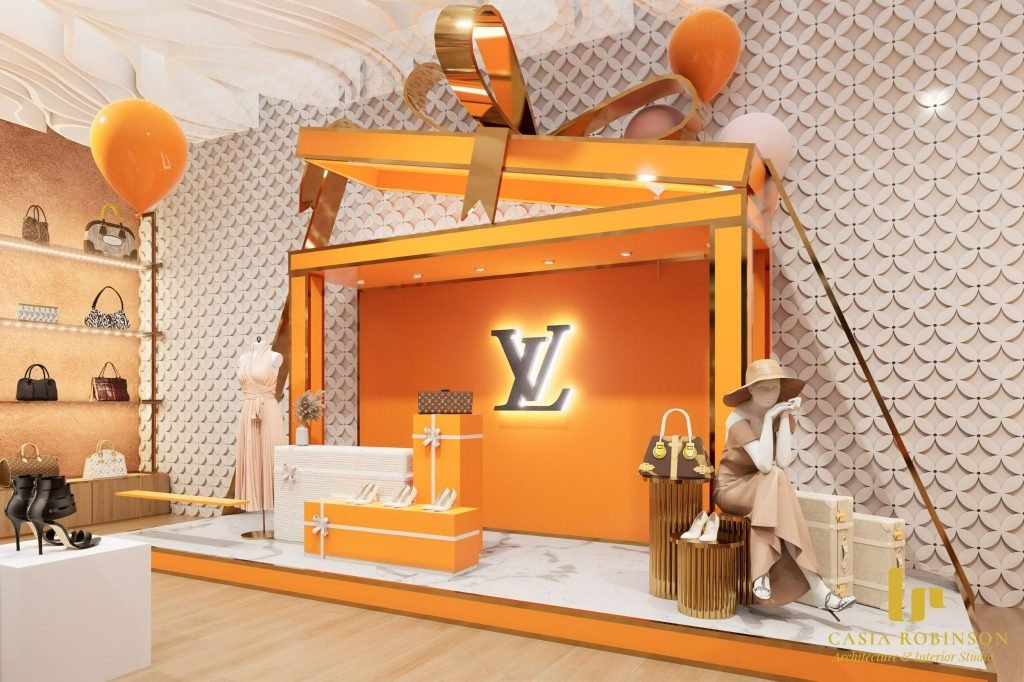
Among global luxury brands, Louis Vuitton occupies a distinctive position. While many luxury houses have preserved exclusivity by remaining relatively niche, Louis Vuitton has successfully demonstrated that scale and prestige are not necessarily incompatible.
It has become one of the world’s largest luxury brands without abandoning premium pricing or widespread desirability. And this outcome was not accidental.
The journey itself reflects more than a century of disciplined strategic decisions that consistently reinforced the brand’s identity while allowing it to evolve with changing consumer expectations.
Louis Vuitton did not become powerful simply because it sold luxury goods. It became powerful because it transformed a product manufacturer into a cultural institution.
Understanding this transformation reveals several principles that extend well beyond the luxury industry.
Origin of LV: Solving a Genuine Customer Problem
Louis Vuitton (LV) was founded in Paris in 1854 by Louis Vuitton, a craftsman specializing in travel trunks. During the mid-19th century, international travel was expanding rapidly, yet luggage design remained poorly suited to new transportation methods.
Traditional trunks featured rounded lids designed to shed water during horse-drawn travel. However, these curved designs proved inefficient for stacking on trains and steamships.
Louis Vuitton introduced flat-topped trunks that were lighter, easier to transport, and more practical for modern travel. The innovation addressed a functional problem while introducing superior craftsmanship.
This origin is strategically significant because it illustrates a recurring pattern among enduring premium brands:
Prestige was earned after delivering meaningful utility, not before. Heritage became valuable because it was grounded in genuine expertise rather than manufactured mythology.
From Product Company to Symbolic Brand
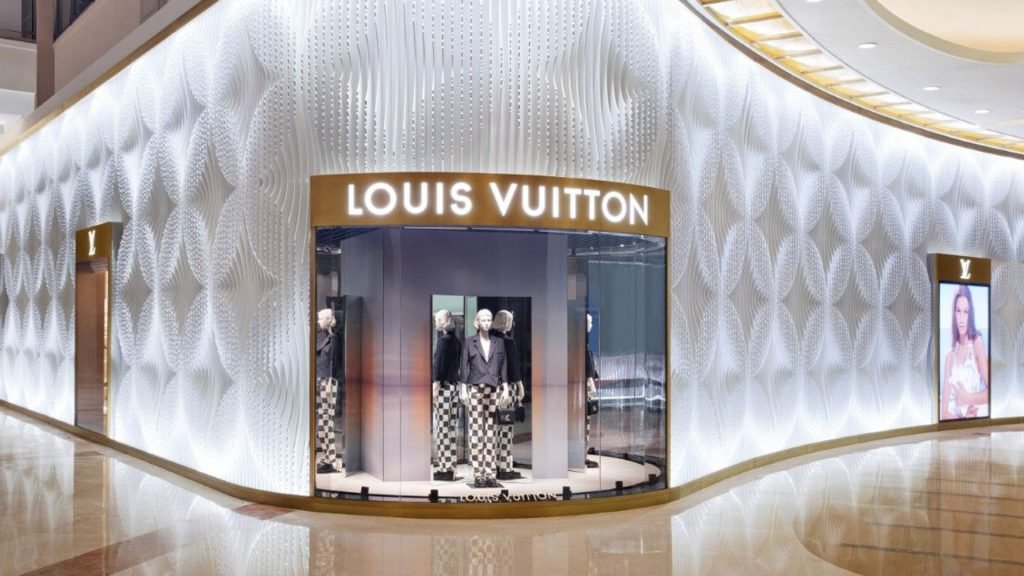
Many companies continue competing primarily through product improvements. Louis Vuitton gradually shifted its competitive emphasis toward symbolic value.
The products remained important, but the brand increasingly represented broader ideas:
- refined travel
- craftsmanship
- artistic expression
- cosmopolitan identity
- cultural sophistication
This transition reflects one of the central principles of brand strategy.
- Products satisfy needs.
- Brands shape perception.
The more successfully a company owns a distinctive meaning in consumers’ minds, the less vulnerable it becomes to competitors offering technically similar products.
Louis Vuitton therefore invested continuously in reinforcing what the brand represented rather than relying exclusively on incremental product innovation.
Strategic Asset 1: Heritage as Competitive Advantage
Many firms treat history as marketing content. Louis Vuitton treats heritage as strategic infrastructure. The company’s history performs several business functions simultaneously.
It Reduces Perceived Risk.
Consumers spending thousands of dollars often seek reassurance that the brand will remain desirable years into the future.
It Justifies Premium Pricing.
Long histories communicate accumulated expertise, suggesting that craftsmanship has been refined over generations rather than recently developed.
It Creates Continuity.
Luxury consumers frequently purchase products intended to outlast fashion cycles. Historical continuity supports this expectation. And most importantly, heritage cannot simply be invented.
While competitors can imitate aesthetic elements, reproducing nearly two centuries of consistent reputation is impossible within a short timeframe. Time itself becomes a competitive asset.
Strategic Asset 2: The Monogram as Intellectual Property
Few visual identities are recognized as universally as the Louis Vuitton Monogram. Introduced in the late 19th century, the pattern originally served practical purposes by discouraging counterfeiting.
Over time, however, it evolved into one of the world’s strongest visual assets. Its strategic importance extends beyond aesthetics.
The Monogram functions as:
- instant recognition
- quality assurance
- status signaling
- cultural shorthand
- global consistency
Consumers frequently identify Louis Vuitton products from considerable distances without reading the company name. This level of recognition dramatically reduces marketing costs over time because the visual system itself communicates the brand.
The lesson applies broadly: “Strong brands do not merely create attractive logos. They develop visual systems that consistently reinforce recognition across decades.”
Strategic Asset 3: Controlled Distribution
Luxury brands often appear constrained by limited availability. In reality, these limitations are strategic decisions.
Louis Vuitton has historically exercised careful control over distribution through:
- company-owned boutiques
- premium retail environments
- selective expansion
- controlled inventory
- consistent pricing
This approach differs sharply from brands pursuing maximum distribution. Greater availability may increase short-term revenue. However, excessive accessibility can weaken exclusivity.
Louis Vuitton instead balances growth against prestige. The objective is sustainable desirability rather than unrestricted expansion.
Strategic Asset 4: Cultural Relevance Without Losing Identity
One of Louis Vuitton’s greatest strategic achievements has been maintaining historical continuity while remaining culturally contemporary. Many heritage brands become trapped by nostalgia. Louis Vuitton chose another path.
LV collaborated with influential creative figures including artists, architects, musicians, and designers who introduced new audiences to the brand while preserving its core identity.
Examples include collaborations with:
- Stephen Sprouse
- Takashi Murakami
- Yayoi Kusama
- Virgil Abloh
These partnerships achieved several strategic objectives simultaneously.
- generated media attention
- introduced limited-edition scarcity
- connected the brand with contemporary culture
- attracted younger consumers
Most importantly, the collaborations expanded the brand’s cultural relevance without fundamentally changing what Louis Vuitton represented.
This distinction is critical. Successful luxury collaborations reinforce identity while unsuccessful collaborations dilute it.
Strategic Asset 5: Brand Architecture
Another source of Louis Vuitton’s market power lies in disciplined expansion. Many successful companies extend their brands into numerous unrelated categories until consumers become uncertain about what the brand actually represents.
Louis Vuitton has expanded into:
- leather goods
- handbags
- travel accessories
- ready-to-wear fashion
- footwear
- jewelry
- watches
- Fragrances
Although these categories differ operationally, they remain strategically connected through the same central brand promise. Every extension reinforces the broader narrative of craftsmanship, luxury, and refined lifestyle.
This consistency allows expansion without creating brand confusion. Brand architecture therefore becomes a mechanism for growth while preserving coherence.
The Economics of Prestige
Luxury pricing often appears irrational when viewed through traditional manufacturing economics. The cost of producing a handbag may represent only a fraction of its retail price.
Critics frequently interpret this difference as evidence that luxury pricing is arbitrary.
Brand strategy offers a different explanation. Consumers purchase more than physical materials. They also purchase:
- confidence
- heritage
- reputation
- craftsmanship
- design
- exclusivity
- social meaning
- resale confidence
- customer experience
These intangible assets require decades of investment. The premium price reflects not merely production costs but the accumulated value of the brand ecosystem.
Viewed through this perspective, pricing becomes less about manufacturing and more about the long-term management of intangible capital.
Strategic Lessons from Louis Vuitton
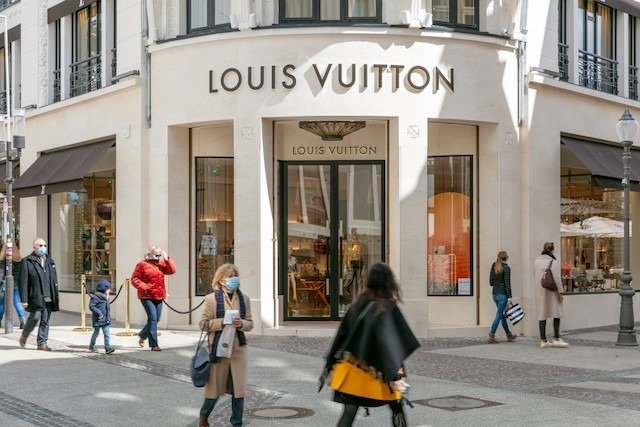
Several broader principles emerge from Louis Vuitton’s evolution. First, differentiation becomes more durable when it is symbolic rather than functional. Functional innovations can often be copied quickly. Cultural meaning, by contrast, compounds over time through consistent execution.
Second, growth should reinforce brand identity rather than dilute it. Expansion is most sustainable when every new product category strengthens the brand’s central promise instead of fragmenting it.
Third, heritage creates value only when it remains relevant. Louis Vuitton has avoided becoming a museum piece by interpreting its history through contemporary collaborations rather than treating the past as a constraint.
Finally, long-term consistency is itself a competitive advantage. While many brands shift positioning in response to changing trends, Louis Vuitton has maintained a remarkably stable strategic identity. That consistency has enabled it to build trust, recognition, and pricing power across generations.
If LV demonstrates how a luxury brand can scale without sacrificing prestige, Hermès represents an almost opposite philosophy. Rather than balancing exclusivity with expansion, Hermès has built its market power by resisting growth that could compromise rarity. Its strategy illustrates how disciplined restraint can become one of the strongest competitive advantages in modern business.
Hermès: Building Market Power Through Strategic Scarcity
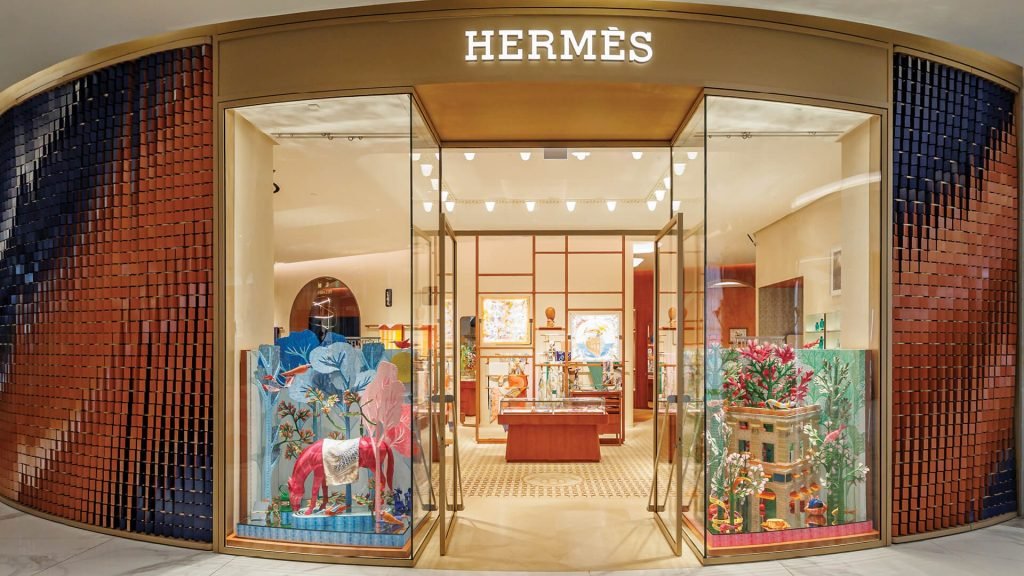
If LV illustrates how a luxury brand can achieve global scale while preserving prestige, Hermès demonstrates an almost opposite strategic philosophy. Rather than maximizing growth opportunities, Hermès has consistently prioritized rarity over revenue.
The company deliberately limits production, protects craftsmanship, and accepts unmet demand as the price of preserving long-term brand equity. This contrast is one of the most instructive lessons in luxury strategy.
Both companies command exceptional pricing power, yet they achieve it through fundamentally different paths. Louis Vuitton has mastered cultural expansion without sacrificing desirability. Hermès has mastered disciplined restraint, proving that refusing growth opportunities can sometimes create greater long-term value than pursuing them.
Understanding how Hermès built its market power requires examining a principle that many businesses find counterintuitive: scarcity is not a marketing tactic. It is a strategic system.
Origin of Hermès: A Craftsmanship-Driven Brand
Hermès was founded in Paris in 1837 as a workshop producing harnesses and equestrian equipment for European nobility. Long before it became synonymous with luxury handbags and silk scarves, the company’s reputation rested on exceptional leather craftsmanship and meticulous attention to detail.
Unlike many brands that periodically reinvent themselves, Hermès expanded gradually into adjacent product categories while preserving its artisanal foundation. Leather goods, silk, ready-to-wear clothing, watches, jewelry, and home collections were introduced over decades, yet each reflected the same commitment to craftsmanship that defined the company’s earliest products.
This continuity has strategic importance. Consumers perceive Hermès not as a fashion company chasing trends, but as a craft house that happens to operate in fashion. That distinction reinforces trust, authenticity, and timelessness.
Scarcity as a Business Strategy
Scarcity is one of the most misunderstood concepts in marketing. It is often reduced to limited-edition products or short-term promotional campaigns designed to stimulate urgency.
Hermès applies scarcity differently. Its scarcity is structural rather than promotional. The company deliberately limits production capacity because many products require extensive handcrafting by highly trained artisans.
Instead of expanding manufacturing aggressively to satisfy demand, Hermès invests heavily in preserving quality standards, even if this means leaving significant revenue unrealized in the short term.
This approach creates a self-reinforcing cycle.
Limited supply increases exclusivity → Exclusivity strengthens desirability → Higher desirability increases demand.
Strong demand allows Hermès to maintain premium pricing without relying on discounts or extensive advertising. Importantly, the objective is not simply to make products difficult to obtain. The objective is to ensure that every increase in demand reinforces the brand’s prestige rather than weakening it through overexposure.
The Birkin Bag: A Case Study in Strategic Scarcity
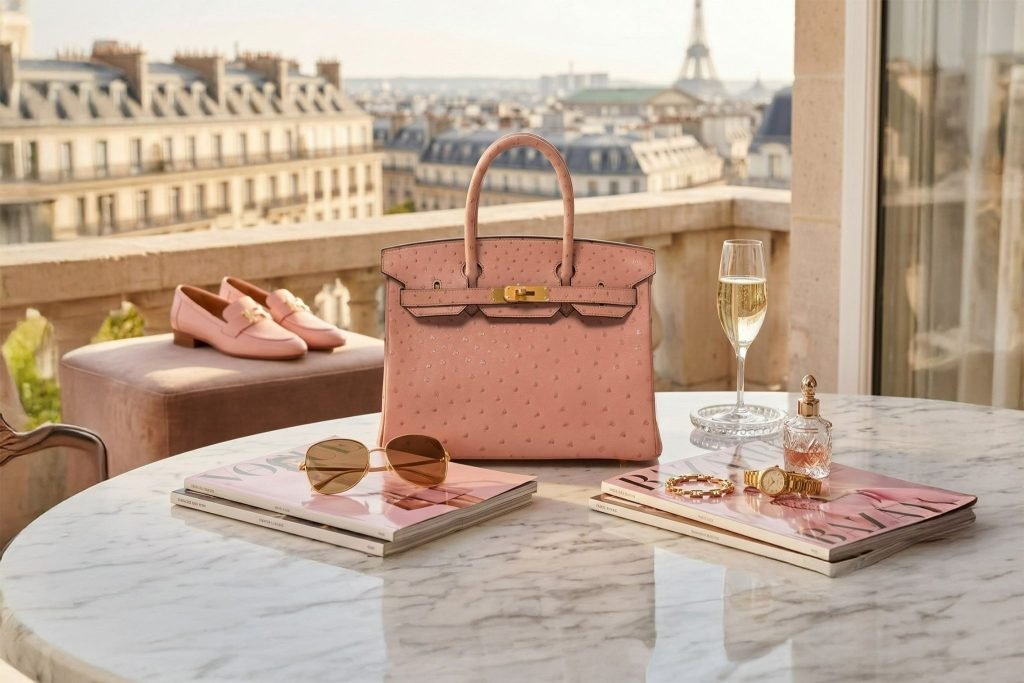
No product illustrates Hermès’ philosophy better than the Birkin bag. Originally introduced in the 1980s following a conversation between actress Jane Birkin and Hermès executive Jean-Louis Dumas, the Birkin has evolved into one of the world’s most recognizable luxury products.
Its market power does not stem solely from craftsmanship or design. Instead, it emerges from an integrated strategic system.
- Production remains intentionally limited.
- Distribution is tightly controlled.
- Availability is unpredictable.
Purchase opportunities often depend on long-term relationships with boutiques rather than simple purchasing power.
As a result, acquiring a Birkin becomes part of the ownership experience itself. The waiting period, the uncertainty, and the perceived exclusivity contribute to the product’s symbolic value.
Many businesses attempt to create desire by making products widely visible. Hermès demonstrates that selective invisibility can be even more powerful.
Why Artificial Scarcity Usually Fails
The success of Hermès has encouraged many brands to imitate scarcity by releasing limited collections or restricting inventory. Most fail because they copy the visible outcome rather than the underlying strategic conditions.
Scarcity creates value only when consumers believe it reflects genuine constraints. These constraints may include:
- Exceptional craftsmanship
- Limited production capacity
- Rare materials
- Rigorous quality standards
- Selective distribution
- Long-term brand stewardship
When scarcity appears purely promotional, consumers often interpret it as manipulation rather than exclusivity. The difference lies in credibility. Hermès has spent generations demonstrating that its production standards genuinely limit output. That credibility cannot be replicated through short-term marketing campaigns.
Craftsmanship as a Strategic Asset
Hermès invests heavily in artisan training. Many leather products are constructed by a single craftsperson who completes the entire piece rather than participating in an assembly-line process.
From an operational perspective, this approach appears inefficient.
- Production volumes remain relatively low.
- Training requires substantial investment.
- Expansion becomes slower.
However, viewed strategically, these apparent inefficiencies generate competitive advantages. Consumers associate single-artisan production with authenticity. Employees develop specialized expertise that is difficult for competitors to replicate, and quality becomes more consistent.
Most importantly, craftsmanship transforms from a manufacturing process into part of the brand narrative. The product embodies the company’s values rather than merely expressing them through advertising.
The Economics of Unmet Demand
Traditional business strategy often assumes that every unmet customer demand represents lost revenue. Hermès challenges this assumption. Selling every potential customer a product today might increase quarterly earnings, but it could also weaken long-term exclusivity.
By accepting unmet demand, Hermès preserves the perception that ownership remains exceptional. This strategy produces several economic benefits.
Pricing Power
Because demand consistently exceeds visible supply, Hermès faces minimal pressure to discount products.
Strong Secondary Markets
Many Hermès products maintain or even appreciate in value over time. While resale appreciation is not guaranteed and varies by product, strong secondary-market performance reinforces consumer confidence in the brand’s long-term desirability.
Customer Commitment
Consumers who invest significant time and effort into acquiring a product often develop stronger emotional attachment than those making purely transactional purchases. The acquisition journey itself becomes part of the value proposition.
Consistency Over Fashion
Luxury fashion often emphasizes seasonal change. Hermès emphasizes continuity, and its designs evolve gradually rather than dramatically.
Many signature products remain largely unchanged for decades. This consistency reflects a strategic choice. Instead of encouraging consumers to replace products because they have become unfashionable, Hermès encourages purchases that remain relevant across generations.
The result is a different relationship with time.
- Fashion trends create temporary demand.
- Timeless design creates enduring brand equity.
This philosophy strengthens resale value, reinforces perceptions of quality, and reduces dependence on constantly changing consumer preferences.
Brand Governance: Protecting Prestige Through Discipline
One of Hermès’ greatest competitive strengths lies not in creative brilliance but in organizational discipline. Every major decision appears filtered through a single strategic question:
“Will this strengthen or weaken the brand over the next several decades?”
This long-term perspective influences decisions about:
- Production capacity
- Store expansion
- Product launches
- Distribution channels
- Pricing
- Marketing partnerships
- Creative direction
Many firms optimize for annual performance, but Hermès optimizes for generational reputation. This difference shapes nearly every aspect of its competitive strategy.
Strategic Lessons from Hermès
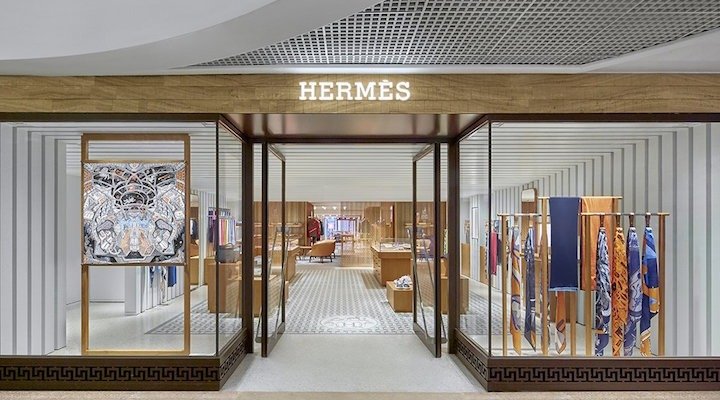
Hermès demonstrates that sustainable market power often depends more on disciplined restraint than aggressive expansion. Several strategic principles emerge from its approach.
First, scarcity creates value only when supported by genuine constraints. Consumers reward authenticity, not manufactured shortages.
Second, craftsmanship is most powerful when it is embedded in the business model rather than treated as a marketing message. Hermès communicates quality primarily through execution, allowing the product to validate the brand’s claims.
Third, long-term reputation requires resisting opportunities that threaten exclusivity. Decisions that maximize immediate revenue can erode the intangible assets that sustain premium pricing over decades.
Finally, consistency is a strategic capability. By maintaining clear standards across products, distribution, and customer experience, Hermès has transformed discipline into one of its strongest competitive advantages.
Louis Vuitton and Hermès: Two Models of Luxury Leadership
At first glance, Louis Vuitton and Hermès appear to represent opposing strategies. Louis Vuitton has embraced cultural collaborations, broader product visibility, and global expansion while carefully managing prestige.
Hermès has emphasized controlled growth, artisanal production, and structural scarcity. Yet beneath these differences lies a shared strategic principle.
Neither company competes primarily on product features. Both compete by managing intangible assets:
- Brand meaning
- Consumer trust
- Cultural relevance
- Reputation
- Exclusivity
- Long-term consistency
The mechanisms differ, but the objective is identical: creating market power that competitors cannot easily replicate because it is rooted in perception, history, and disciplined execution rather than functional superiority alone.
The final case study examines a third model of luxury leadership. Whereas Louis Vuitton built cultural influence and Hermès built scarcity, Rolex built perhaps the most universally recognized symbol of achievement. Its strategy demonstrates how trust, consistency, and symbolic meaning can transform a mechanical product into one of the world’s most powerful brands.
Rolex: Building Market Power Through Trust, Precision, and Symbolic Achievement
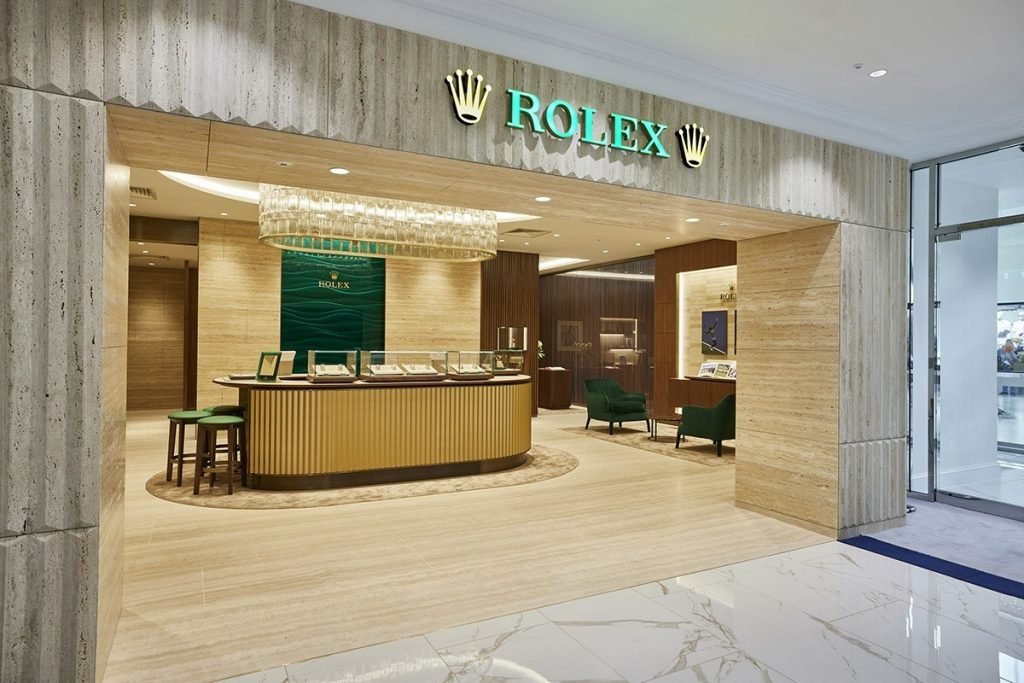
If Louis Vuitton demonstrates the power of cultural influence and Hermès exemplifies the strategic value of scarcity, Rolex represents a third path to luxury leadership. Rather than relying primarily on fashion or deliberate exclusivity, Rolex has built its market power by becoming the world’s most trusted symbol of success.
Few luxury brands enjoy the same level of global recognition. Across cultures, professions, and generations, the Rolex crown communicates achievement with remarkable consistency. It is understood by experienced collectors and casual observers alike.
This universal recognition is not the result of superior marketing alone. It reflects decades of disciplined brand management in which product quality, technical reliability, historical credibility, and symbolic meaning have been reinforced through consistent strategic choices. Rolex demonstrates that market power can emerge from becoming the category’s reference point; the brand against which all others are measured.
From Tool Watch to Global Status Symbol
Rolex was founded in London in 1905 before relocating to Geneva, Switzerland. Unlike many luxury watchmakers that initially catered to collectors, Rolex focused on producing reliable wristwatches at a time when pocket watches dominated the market.
This positioning proved significant. Rather than presenting watches primarily as jewelry, Rolex emphasized precision, durability, and practical performance.
Throughout the twentieth century, the company introduced innovations that strengthened its technical credibility, including:
- The Oyster case, one of the first commercially successful waterproof watch cases.
- The Perpetual self-winding movement.
- Chronometer-certified precision across much of its product range.
These developments established Rolex as a manufacturer of dependable instruments rather than decorative accessories.
Only later did those functional achievements evolve into powerful symbols of prestige. This sequence mirrors an important strategic principle. Long-lasting prestige is often built on authentic capability before it becomes associated with status.
Trust as a Competitive Advantage
Luxury markets depend heavily on consumer confidence. A customer purchasing an expensive watch expects far more than accurate timekeeping. They expect the product to remain reliable, recognizable, serviceable, and valuable for many years.
Rolex has systematically reduced uncertainty across each of these dimensions. Consumers generally believe that a Rolex will:
- function reliably
- maintain consistent quality
- receive long-term servicing
- remain recognizable
- retain strong resale demand relative to many luxury goods
Every fulfilled expectation strengthens the brand’s reputation. Over time, repeated reliability creates a powerful feedback loop.
- Greater trust increases demand.
- Higher demand reinforces prestige.
- Prestige encourages ownership.
And, positive ownership experiences strengthen trust further. Unlike advertising campaigns, this cycle compounds over decades.
Consistency Instead of Constant Reinvention
Many luxury brands depend on seasonal collections and changing aesthetics. Rolex follows a markedly different strategy. Its most recognizable models evolve gradually rather than dramatically.
Examples include:
- Submariner
- Datejust
- Day-Date
- GMT-Master
- Explorer
- Daytona
Each generation incorporates technical improvements while preserving the overall visual identity. This consistency produces several strategic benefits.
First, consumers immediately recognize the products. Second, existing owners rarely feel that their watches have become obsolete after a new release. And third, timeless design supports long-term desirability rather than encouraging frequent replacement.
Rolex therefore competes through refinement instead of novelty. The company improves products without disrupting their identity.
Product Architecture That Reinforces Brand Equity
Another distinctive feature of Rolex’s strategy is its disciplined product architecture. Many consumer brands introduce hundreds of variations each year, but Rolex maintains a comparatively focused collection.
While different sizes, materials, and dial configurations exist, the overall portfolio remains highly coherent. This discipline creates several advantages.
Consumers find it easier to understand the product range, and individual models accumulate decades of recognition.
Marketing resources reinforce existing icons rather than continuously creating new ones. Every successful product strengthens the entire brand rather than competing internally for attention.
This illustrates an important principle of strategic brand management. A focused portfolio often creates stronger brand equity than an extensive one.
Achievement as Brand Meaning
Perhaps Rolex’s greatest strategic accomplishment lies in the symbolic meaning attached to ownership. The company rarely positions its watches as expressions of luxury alone.
Instead, Rolex has consistently associated itself with achievement. Throughout its history, the brand has been linked with:
- scientific exploration
- aviation
- deep-sea expeditions
- mountaineering
- endurance sports
- professional excellence
These associations communicate that Rolex accompanies accomplishment rather than replacing it. This distinction matters.
Consumers do not simply purchase a prestigious object. They purchase a symbol connected with competence, perseverance, and success.
Consequently, Rolex functions as a social signal that extends beyond wealth. It often represents milestones such as career advancement, entrepreneurial success, retirement, or personal achievement.
That emotional significance strengthens customer attachment far more effectively than product specifications alone.
The Power of Institutional Credibility
Luxury branding frequently relies on storytelling, and Rolex complements storytelling with institutional credibility. Its reputation is reinforced through consistent performance in areas that consumers can verify.
These include:
- manufacturing quality
- precision standards
- long-term servicing
- controlled production
- stable design language
- sponsorship of respected institutions
- philanthropic initiatives
The cumulative effect is that Rolex appears dependable rather than fashionable. Dependability may sound less glamorous than exclusivity. Strategically, however, it is extraordinarily valuable.
Consumers often hesitate before spending thousands of dollars. Institutional trust reduces that hesitation.
Managing Scarcity Without Defining the Brand by Scarcity
In recent years, demand for many Rolex models has significantly exceeded authorized retail supply. Waiting lists have become common for certain references.
Although scarcity now contributes to Rolex’s desirability, it is important to distinguish cause from effect.
Unlike Hermès, scarcity is not the central pillar of Rolex’s strategy. Rolex’s market power was established long before today’s supply constraints became widely discussed.
Its scarcity largely reinforces an already trusted reputation rather than creating it. This distinction offers an important lesson for businesses attempting to imitate luxury brands.
“Scarcity amplifies existing value. It rarely creates value independently.”
Secondary Markets and the Reinforcement of Brand Equity
One of the strongest indicators of enduring brand power is performance in secondary markets. Many luxury goods lose significant value after purchase.
Certain Rolex models have historically retained value well and, during particular market periods, some references have appreciated substantially. Performance varies by model and market conditions, and resale values are never guaranteed.
Nevertheless, strong secondary-market demand produces strategic benefits. Consumers perceive lower purchase risk, collectors remain engaged with the brand, and media attention reinforces desirability.
The brand becomes associated not only with consumption but also with stewardship. While Rolex does not control independent resale markets, consistent product quality and enduring demand strengthen this ecosystem.
Strategic Lessons from Rolex
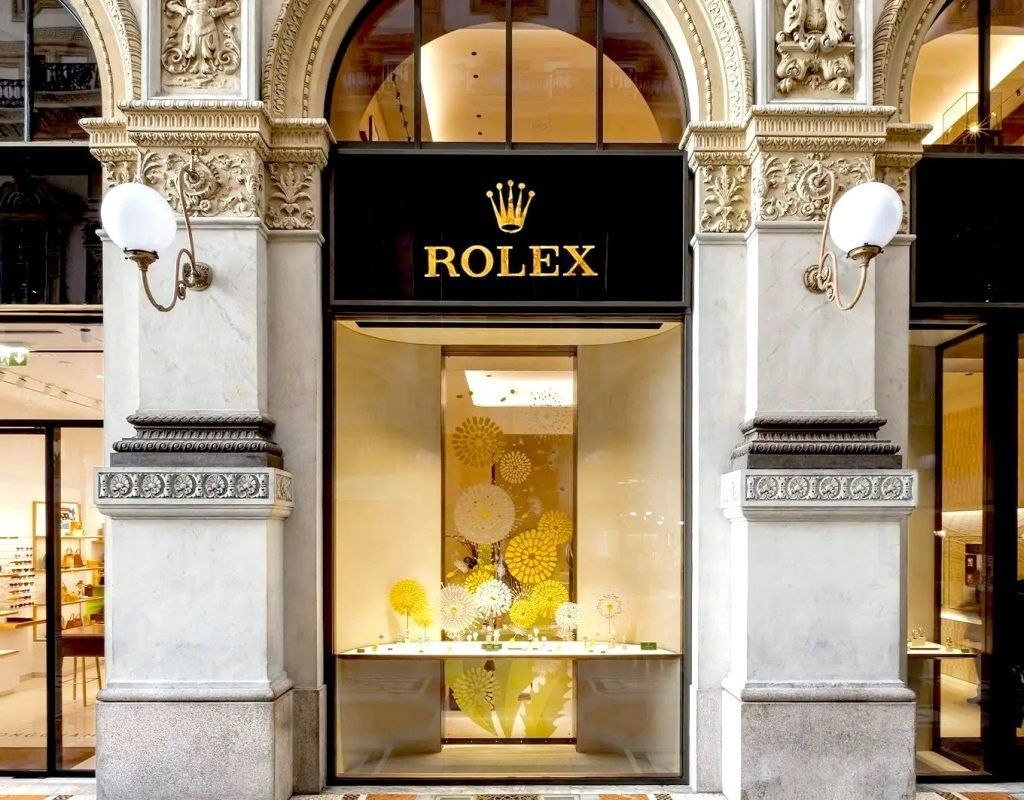
Rolex demonstrates that market power can emerge from becoming synonymous with trust. Several principles distinguish its approach.
- First, technical excellence establishes credibility, but consistency transforms credibility into reputation. Incremental improvements over decades often create more durable advantages than dramatic reinventions.
- Second, symbolic meaning becomes stronger when grounded in authentic performance. Rolex’s association with achievement is persuasive because it evolved from genuine reliability rather than aspirational advertising alone.
- Third, product discipline strengthens brand equity. A focused portfolio enables individual models to accumulate recognition across generations, making each release reinforce the broader brand.
Finally, trust compounds. Every reliable product, every successful service experience, and every fulfilled customer expectation contributes to an intangible asset that competitors cannot quickly replicate.
Three Brands, Three Strategic Models
At this stage, an important pattern begins to emerge. Although Louis Vuitton, Hermès, and Rolex operate within the same luxury sector, they have built market power through different strategic mechanisms.
| Brand | Primary Strategic Asset | Competitive Logic |
| Louis Vuitton | Cultural relevance and brand visibility | Expand carefully while preserving prestige |
| Hermès | Scarcity and artisanal craftsmanship | Restrict supply to reinforce exclusivity |
| Rolex | Trust, consistency, and symbolic achievement | Become the benchmark for reliability and success |
Their strategies differ in execution but converge on a common objective. Each company has created intangible assets that competitors cannot easily copy because they were accumulated over decades through disciplined management rather than short-term marketing initiatives.
The Strategic Framework Behind Luxury Market Power
The case studies of Louis Vuitton, Hermès, and Rolex reveal an important insight. Although each company has pursued a distinct path to leadership, none built its position through a single breakthrough product or marketing campaign. Their success is the result of interconnected strategic decisions made consistently over decades.
This observation challenges one of the most common misconceptions in branding: that market power is created by memorable advertising or premium pricing alone. In reality, enduring market power emerges when multiple strategic assets reinforce one another.
Brand meaning strengthens customer trust, which supports premium pricing. And premium pricing funds exceptional product quality and customer experiences. Those experiences reinforce reputation, which further strengthens brand meaning.
Over time, this creates a self-reinforcing system that becomes increasingly difficult for competitors to replicate. The experiences of Louis Vuitton, Hermès, and Rolex suggest that luxury market power rests on six foundational pillars.
Pillar 1: A Clearly Defined Brand Meaning
Every powerful luxury brand stands for something beyond the products it sells. Consumers do not purchase Louis Vuitton simply because they need a handbag. They buy into a vision of cultural sophistication and modern luxury.
Hermès represents timeless craftsmanship and understated exclusivity. Rolex symbolizes achievement, precision, and enduring success.
Although these meanings differ, each brand communicates a single, coherent identity that remains remarkably stable over time. This clarity reduces cognitive effort for consumers.
People immediately understand what each brand represents. More importantly, they understand what each brand does not represent. Strong positioning is therefore as much about exclusion as inclusion.
Brands become distinctive not by appealing to everyone but by consistently reinforcing a specific identity
Pillar 2: Consistency Across Every Customer Touchpoint
Brand positioning is ultimately validated through experience. Luxury companies understand that consumers evaluate far more than the product itself.
Every interaction contributes to the overall perception of quality, and these interactions include:
- Boutique design
- Customer service
- Product packaging
- Digital experiences
- Advertising
- Repair services
- Product quality
- Pricing
- Distribution
When these elements communicate the same underlying values, consumers perceive the brand as authentic. When they conflict, trust begins to erode.
Luxury brands rarely rely on isolated moments of excellence. Instead, they aim for remarkable consistency across thousands of interactions. Consistency transforms promises into expectations.
Pillar 3: Strategic Control Over Distribution
Distribution is often viewed as an operational decision. Luxury companies treat it as a branding decision. Every additional retail location increases accessibility. However, greater accessibility may reduce perceived exclusivity if expansion is not carefully managed.
- Louis Vuitton has historically relied heavily on company-owned boutiques to maintain presentation standards.
- Hermès has expanded cautiously while protecting customer experience.
- Rolex distributes through carefully selected authorized retailers rather than maximizing retail coverage.
Although their approaches differ, each company exercises substantial control over how consumers encounter the brand. This illustrates an important principle. Distribution determines not only where products are sold but also how the brand is perceived.
Pillar 4: Long-Term Brand Governance
Perhaps the greatest competitive advantage shared by these brands is patience. Many businesses optimize for quarterly performance. Luxury companies often evaluate decisions through a much longer horizon.
This perspective influences numerous strategic choices, for example:
- delaying expansion
- rejecting unsuitable partnerships
- maintaining high production standards
- preserving iconic designs
- avoiding excessive discounting
- investing in heritage
- protecting craftsmanship
These decisions sometimes reduce short-term revenue. However, they strengthen the intangible assets that sustain profitability over decades. Luxury brands therefore govern themselves differently. Growth remains important, and hence protecting the brand remains more important.
Pillar 5: Intangible Assets as Competitive Moats
Traditional competitive analysis often emphasizes physical assets like factories, technology, supply chains, and patents. Luxury businesses demonstrate that intangible assets can be even more valuable.
Among the most important are:
- Reputation
- Trust
- Heritage
- Brand recognition
- Cultural relevance
- Design language
- Customer loyalty
- Symbolic meaning
These assets cannot simply be purchased. They accumulate gradually through repeated delivery of consistent experiences. Because they develop slowly, they are also difficult for competitors to imitate quickly. This creates what strategists often describe as a durable competitive moat.
Pillar 6: Disciplined Growth
Growth is essential for any successful business, and luxury brands differ in how they define successful growth. Rather than asking, “How can we sell more?”, they often ask, “How can we grow without weakening what makes the brand valuable?”
This distinction changes strategic priorities. Instead of maximizing product launches, they evaluate whether each introduction strengthens the broader brand. And instead of entering every market, they assess whether expansion enhances or diminishes prestige.
Instead of chasing trends, they reinforce timeless identity. Disciplined growth recognizes that not every opportunity should be pursued. Sometimes the strongest strategic decision is restraint.
A Systems Perspective on Market Power
These six pillars are best understood as an integrated system rather than independent strategies. Consider the relationship between them. A clearly defined brand meaning enables consistent customer experiences.
Consistent experiences build trust → Trust justifies premium pricing → Premium pricing funds exceptional craftsmanship and retail environments → Exceptional experiences strengthen reputation → A stronger reputation reinforces brand meaning.
The cycle then repeats, and each component amplifies the others.
This systems perspective explains why competitors often struggle to replicate successful luxury brands. They imitate visible outputs – a premium logo, elegant packaging, or celebrity endorsements without recreating the interconnected system that gives those elements strategic value.
The result is a superficial resemblance without comparable market power.
Why Most Premium Brands Never Become Luxury Brands
Many companies successfully position themselves as premium, but far fewer become true luxury brands. The distinction lies in the source of customer value.
Premium brands typically justify higher prices through superior functional performance. Luxury brands justify higher prices through a combination of functional excellence and symbolic value.
A premium automobile might emphasize engineering, fuel efficiency, or technology. However, a luxury automobile also communicates identity, taste, social position, and emotional aspiration.
Both may deliver excellent performance, but only one creates substantial symbolic capital. This distinction has important strategic implications.
Companies cannot become luxury brands simply by increasing prices or improving aesthetics.
Luxury positioning requires the gradual accumulation of intangible assets that consumers perceive as authentic, scarce, and culturally meaningful.
A Broader Lesson for Business Strategy
Although Louis Vuitton, Hermès, and Rolex operate within luxury markets, the principles underlying their success extend well beyond the luxury industry.
- Every organization competes for trust.
- Every organization develops a reputation.
- Every organization creates experiences that shape customer perception.
The difference lies in the degree of strategic discipline applied to managing these intangible assets.
Businesses in technology, healthcare, professional services, education, manufacturing, and consumer goods all benefit when they consistently strengthen brand meaning rather than focusing exclusively on short-term sales.
Luxury brands simply demonstrate these principles in their most visible and economically powerful form.
From Luxury Strategy to Competitive Strategy
The lessons drawn from these brands are not confined to companies selling products worth thousands of dollars. They reveal broader truths about how enduring competitive advantage is created in any industry.
Applying Luxury Brand Strategy Beyond Luxury Markets
The strategic principles that have sustained Louis Vuitton, Hermès, and Rolex are not confined to fashion or luxury goods. While few businesses can replicate their pricing or exclusivity, virtually every organization can adopt the underlying disciplines that create enduring market power.
This distinction is important. Companies often attempt to imitate the outward appearance of luxury with premium pricing, minimalist branding, exclusive messaging, or sophisticated packaging without adopting the strategic systems that make those elements credible.
The objective should not be to become a luxury brand. It should be to build a brand whose competitive advantage extends beyond product features alone. The following principles illustrate how organizations across industries can apply luxury thinking without operating in luxury markets.
Build Meaning Before Pursuing Scale
One of the clearest lessons from all three brands is that market expansion followed the establishment of a strong brand identity, not the reverse. Many growing companies focus primarily on customer acquisition. They expand product lines, enter new markets, increase advertising budgets, and launch additional services.
Yet they often struggle to answer a fundamental strategic question:
“What does our brand represent beyond what we sell?”
Luxury brands rarely face this problem because their identity guides every strategic decision.
Organizations in any industry should establish a similarly clear position before pursuing aggressive growth.
This involves defining:
- The unique promise the brand makes.
- The audience it serves best.
- The values it consistently communicates.
- The experiences customers should expect.
Growth becomes more sustainable when it reinforces an existing identity rather than attempting to create one retrospectively.
Compete on Trust Instead of Price
Price competition is one of the fastest ways to weaken long-term differentiation. Luxury brands largely avoid this trap because customers evaluate them through broader criteria than cost.
Although most businesses cannot eliminate price competition entirely, they can reduce its influence by increasing trust.
Trust develops through consistent execution rather than promotional messaging.
Customers notice whether a company:
- Delivers on its promises.
- Maintains product quality.
- Responds effectively to problems.
- Communicates transparently.
- Provides reliable customer support.
- Behaves consistently over time.
These factors gradually reduce customers’ sensitivity to price because confidence begins to outweigh cost. In professional services, for example, clients frequently choose advisors they trust over less expensive alternatives.
In software, users often remain loyal to platforms that consistently meet expectations even when lower-priced competitors emerge. Trust becomes a form of economic value.
Focus on Fewer, Better Decisions
Luxury brands rarely overwhelm consumers with endless choices. Their product portfolios tend to evolve deliberately, and this principle has relevance well beyond luxury.
Many businesses mistake complexity for innovation. They introduce numerous products, service tiers, marketing campaigns, and features without strengthening their competitive position. The result is often confusion rather than differentiation.
Strategic discipline requires asking whether each new initiative strengthens the overall brand or merely increases operational complexity. In many cases, simplifying offerings improves customer understanding while concentrating resources on delivering exceptional quality.
Protect Brand Consistency
Every interaction either reinforces or weakens a brand’s identity. Luxury companies devote considerable attention to maintaining consistency because they recognize that reputation is built cumulatively.
Organizations outside luxury can apply the same discipline. Consistency should extend across:
- Visual identity
- Messaging
- Website experience
- Customer support
- Product quality
- Pricing philosophy
- Employee behavior
- Sales communication
Customers rarely evaluate these elements independently. Instead, they form an overall impression based on how coherently they work together. Consistency signals professionalism and inconsistency introduces uncertainty.
Think in Decades, Not Campaigns
Perhaps the most significant difference between luxury brands and many modern businesses lies in their planning horizon. Marketing departments often evaluate success through quarterly metrics.
Luxury companies frequently make decisions that may not deliver measurable returns for years. Examples include:
- Investing in craftsmanship.
- Preserving heritage.
- Maintaining iconic product designs.
- Building flagship retail experiences.
- Developing long-term customer relationships.
This perspective encourages decisions that strengthen durable competitive advantages rather than maximizing immediate sales. Organizations in any sector can benefit from asking a different strategic question.
Instead of asking, “Will this increase revenue this quarter?”, consider, “Will this strengthen our reputation five years from now?”
While short-term performance remains important, long-term reputation ultimately determines pricing power, customer loyalty, and resilience.
Common Mistakes When Businesses Try to Emulate Luxury
Luxury branding has become increasingly influential across industries. Unfortunately, many companies imitate superficial characteristics while overlooking the underlying strategic principles. Several recurring mistakes explain why these efforts often fail.
Mistake 1: Raising Prices Without Increasing Perceived Value
Higher prices alone do not create premium positioning. Customers evaluate prices relative to the value they perceive. Without stronger products, experiences, trust, or brand meaning, price increases simply reduce competitiveness.
Luxury brands command premium prices because consumers recognize decades of accumulated intangible value. Pricing is the outcome of strategy, not its starting point.
Mistake 2: Manufacturing Exclusivity Without Credibility
Artificial scarcity rarely produces sustainable demand. Consumers quickly recognize when limited availability exists solely as a marketing tactic. Exclusivity becomes valuable only when supported by genuine constraints, exceptional quality, or authentic craftsmanship. Otherwise, scarcity appears manipulative rather than desirable.
Mistake 3: Expanding Too Quickly
Growth creates opportunities, but it also creates risk. Rapid expansion often introduces inconsistent customer experiences, operational challenges, and weakened brand identity. Luxury companies demonstrate that disciplined growth frequently produces stronger long-term outcomes than aggressive expansion. Growth should reinforce competitive advantage, not dilute it.
Mistake 4: Prioritizing Visibility Over Reputation
Modern marketing often rewards attention, and luxury strategy rewards credibility. A campaign may generate awareness. But only consistently positive customer experiences generate enduring trust.
Organizations should therefore evaluate marketing not merely by reach but by its contribution to long-term brand equity. Visibility does attract customers, but reputation keeps them.
Mistake 5: Chasing Trends Instead of Building Identity
Many businesses frequently reposition themselves to follow emerging trends. Although adaptation remains necessary, constant repositioning weakens brand recognition.
Consumers develop confidence when brands demonstrate stability.
- Louis Vuitton has evolved creatively while preserving its identity.
- Hermès has modernized without abandoning craftsmanship.
- Rolex has refined products without redefining its purpose.
Their success illustrates that enduring brands evolve through continuity rather than constant reinvention.
Market Power Is Built, Not Bought
The experiences of Louis Vuitton, Hermès, and Rolex reveal that market power cannot be purchased through larger advertising budgets or higher prices alone.
It emerges from disciplined investment in intangible assets that appreciate over time. These assets include:
- Trust
- Reputation
- Cultural relevance
- Craftsmanship
- Design consistency
- Customer relationships
- Strategic focus
- Institutional credibility
Unlike physical assets, they cannot be acquired immediately. They accumulate through thousands of decisions that consistently reinforce the same strategic direction. This explains why the world’s strongest brands remain remarkably resilient.
Competitors may copy products, imitate visual identities, or even replicate marketing campaigns. However, they cannot easily reproduce decades of disciplined execution.
Bottom Line
Louis Vuitton, Hermès, and Rolex have each demonstrated that enduring market power depends less on what a company sells than on what its brand comes to represent.
- Louis Vuitton transformed heritage into cultural influence by expanding thoughtfully while preserving its identity.
- Hermès showed that disciplined scarcity and uncompromising craftsmanship can create extraordinary pricing power without pursuing maximum scale.
- Rolex established itself as the universal symbol of achievement by consistently delivering reliability, timeless design, and institutional trust.
Although their strategies differ, they converge on a common principle: the most valuable brands compete through intangible assets that become stronger with time.
For business leaders, marketers, and entrepreneurs, the central lesson is clear. Sustainable competitive advantage rarely comes from isolated campaigns or short-term tactics. It is built through consistent strategic choices that strengthen customer trust, clarify brand meaning, and reinforce every experience over many years.
Markets change, technologies evolve, consumer preferences shift.
Yet organizations that invest patiently in reputation, coherence, and long-term value creation are better positioned to withstand those changes because their greatest assets exist in the minds of customers rather than in products alone.
That is the defining characteristic of enduring market power and the reason the world’s most valuable brands continue to command influence long after competitors have matched their products or exceeded their advertising budgets.